The “Group Home” Myth: How NDIS Supported Independent Living (SIL) Really Works in 2026
The Scene
You are ready to move out of your parents’ house and gain your independence.
You look up NDIS housing options in Melbourne’s South East.
You hear outdated horror stories about strict “facilities,” zero choice in what you eat for dinner, and being forced to live with incompatible housemates.
You think, “I’d rather just stay at home. I don’t want to lose my freedom.”
Think again.
Welcome to 2026. The days of institutionalised “group homes” are over. The NDIS has completely shifted the power dynamic back to the participant.
Here is the truth about what Supported Independent Living (SIL) really looks like in Victoria today, and how it actually gives you more control, not less.
1. The “Facility” Myth (You Are The Boss)
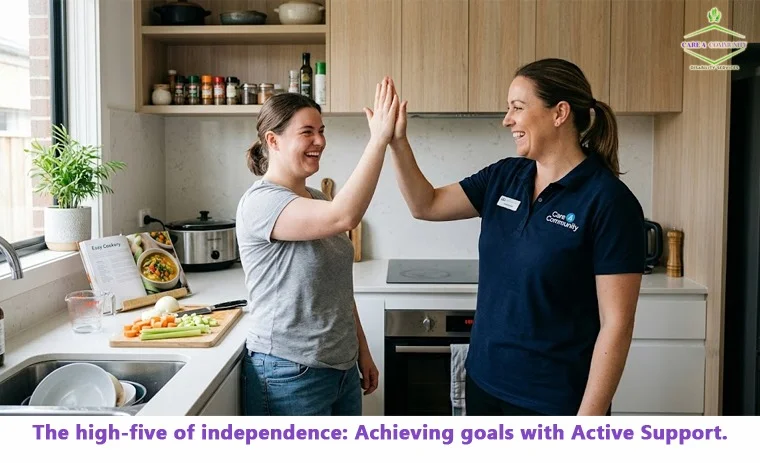
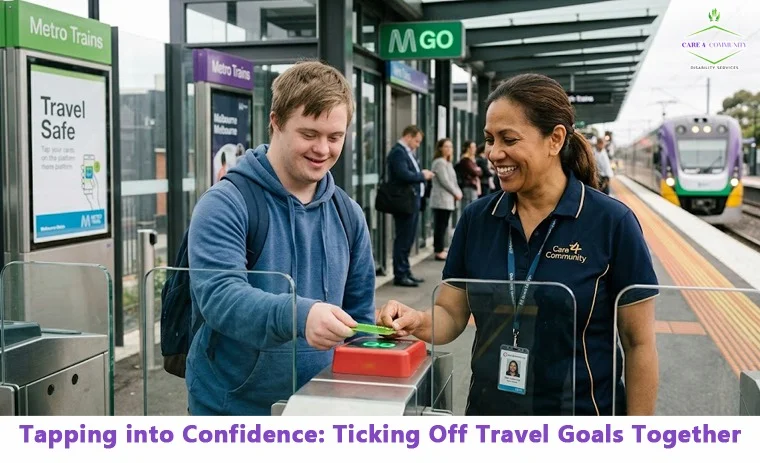
In the past, moving into disability housing meant living by the facility’s rigid rules.The 2026 Reality: In our homes, you are the boss. SIL is not a building; it is the comprehensive support staff that comes to your home (or a shared home) to help with daily tasks 24/7. Our Active Support model means we focus on “doing with you, not just for you”. You decide when you wake up, what you cook, and how you run your daily routine.
2. The “Random Housemate” Disaster
Previously, participants were often placed wherever there was an empty bed, regardless of who else lived there.The 2026 Reality: We believe a house is made of bricks, but a home is made of people. We don’t just fill rooms. Through our Compatibility Matching system, we carefully match housemates based on age, interests, and personality to ensure a harmonious home environment. If you are a quiet gamer, we won’t match you with a loud party-goer.
3. The “Free House” Misconception
Many people think SIL funding pays for the rent and the groceries.The 2026 Reality: Navigating NDIS funding can be complex, so transparency is key. NDIS SIL funding pays strictly for the support workers and skill development.
You are still responsible for paying for your own personal expenses from your Disability Support Pension (DSP) or wages.
What you pay for includes:
- Rent and accommodation bond.
- Groceries and household bills (utilities).
- Personal items and toiletries.
4. The Hidden Traps: SIL vs. SDA
The biggest trap causing NDIS housing applications to fail in 2026 is confusing SIL with SDA.
The Support (SIL): This funds the human beings who help you cook, clean, and live safely.
The Bricks and Mortar (SDA): The physical house itself is often funded separately under Specialist Disability Accommodation (SDA) if you are eligible.
If you apply for SIL expecting it to pay your rent, your claim will bounce.
The Verdict
Supported Independent Living is the ultimate tool for achieving true adulthood and autonomy. But because the funding lines between daily support (SIL) and physical housing (SDA) are so strict, applying blindly is incredibly dangerous.
Our Advice:
Demand Compatibility: If a provider tries to rush you into a vacancy without a “meet and greet” with the current housemates, walk away.
Clarify the Costs: Ensure you have a clear breakdown of Board and Lodging fees before signing a tenancy agreement.
Check the Active Support Policy: Ask the provider how they will build your skills. If they just “do the chores for you,” they aren’t building your independence.
At Care 4 Community, we can help you distinguish between your SIL and SDA funding, and guide you through the Home and Living Supports Request form.
Ready to find your forever home or want to check out our current vacancies in Cranbourne and Frankston? Speak to our intake team today.